We build AI agents for the work that builds communities.
Two practice areas — local government and construction — one discipline: find the workflow that hurts, build the agent that runs it, and operate it under controls a records custodian would sign off on.
The people behind it
Charles and Bewley met on the Columbia football line — one side of the ball each — then spent their careers in two of the most paperwork-bound corners of the economy: healthcare and real estate. Both reached the same conclusion: the highest-value place to point AI is the unglamorous, regulated work the people who build and run communities still do by hand.
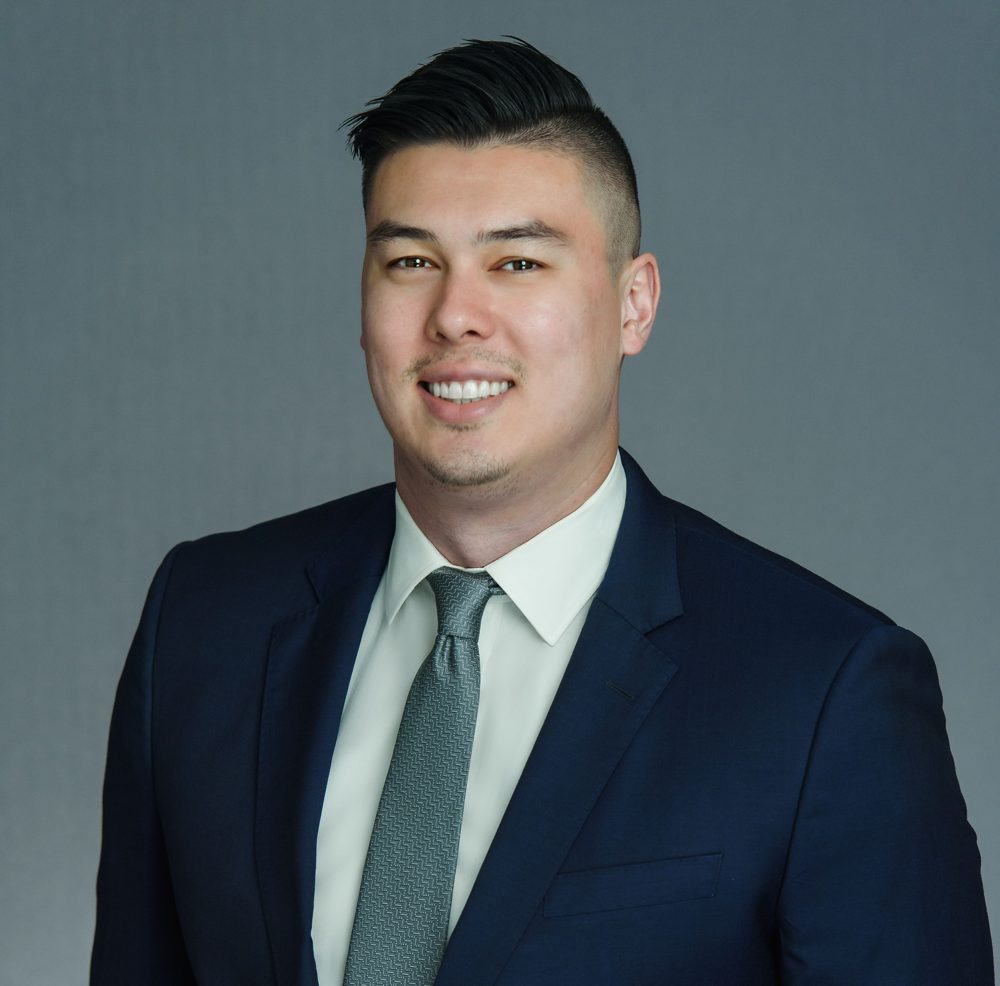
Co-Founder
Charles Melka
Healthcare & Technology
Previously at Mubadala, one of the world's largest AI investors, before going all-in on MuniNow full-time.
- Evaluated AI readiness across hospitals and health systems
- Analyzed AI use cases in healthcare revenue-cycle management
- Guided AI adoption across healthcare IT and payment portfolios

Co-Founder
Bewley Wales
Real Estate & Software
Built and scaled consumer AI and real-estate transaction software before MuniNow — owner-side real estate, the other party on every pay application.
- Built a consumer AI platform for the housing market
- Deployed transaction software for institutional real-estate investors at scale
- Led customer success at an earlier startup
What we actually do
The Workflow Audit
We study how your work actually flows (your people, systems, and documents) and hand you a ranked map of where AI pays off fastest, or de-risks you most before your veterans retire. It's bespoke and conversational, not a fixed package. You get a roadmap you can act on with or without us.
Custom AI Agents
Then we build the agents that do the work: software that owns a workflow end-to-end and makes decisions within rules you set. You stay in control, and every step is auditable.
We operate it
Agents run on our platform under your controls: a human approval gate on every action that changes anything, a monthly spend cap, and a full audit trail down to an exportable packet for a public-records response. We monitor every agent we operate — and every correction your reviewers make is captured as a precedent it consults once certified.
Who we serve
Two practice areas, one spine: the same documents, the same compliance, the same workforce walking out the door. Built for local government first — the hardest environment — and running the same work for the contractors who build alongside it.
Tell us about your workflows
The audit is a conversation, and the roadmap is yours either way.